
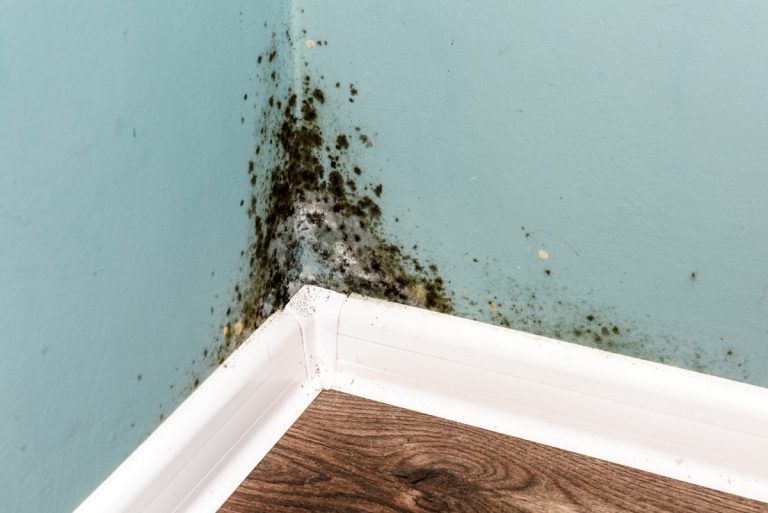
Mould in strata properties becomes unsightly and is a health hazard that can lead to respiratory issues, property damage, and significant financial loss.
When mould appears in your strata property, you may need to consider who is responsible for fixing it, as the answer isn’t always straightforward. Responsibility depends on where the mould is located and what’s causing it to grow. Understanding these distinctions can save you time, money, and frustration.
Common Mould in Strata Properties
Mould thrives in damp, poorly ventilated environments. In Perth’s climate, where we experience humid summers and wet winters, strata properties are particularly vulnerable to mould growth.
Common areas where mould develops include:
- Bathroom walls and ceilings
- Window frames and sills
- Behind wardrobes and furniture
- Carpets and insulation materials
- Areas affected by water leaks
The key to determining responsibility lies in identifying both the location of the mould and its underlying cause.
When the Strata Company Is Responsible for Mould
Your strata company carries a legal duty to maintain and repair common property. Under Western Australian strata legislation, this responsibility is non-negotiable.
The strata company is responsible when mould originates from common property defects, such as:
- Leaking roofs or faulty guttering
- Failed waterproofing in external walls
- Burst pipes within shared walls or common areas
- Inadequate drainage systems
- Structural issues causing water penetration
If you’ve discovered mould in your unit and suspect it’s caused by a common property failure, document everything. Take photographs, note when you first noticed the problem, and put your strata manager on notice in writing.
The strata company must address both the underlying defect and arrange for proper mould remediation. Failure to do so can result in legal liability for any damage or health issues you experience.
When the Lot Owner Is Responsible for Mould
Lot owners are responsible for mould that develops within their unit’s boundaries due to their own actions or lifestyle factors.
You’re likely responsible if the mould results from:
- Inadequate ventilation (keeping windows closed for extended periods)
- Not using exhaust fans in bathrooms and kitchens
- Drying clothes indoors without proper airflow
- Failing to address internal plumbing leaks
- Condensation from temperature differences between heated interiors and cold exteriors
The boundaries of your responsibility are generally defined by your unit’s floor surface and boundary walls. Issues occurring within these boundaries typically fall to you as the owner.
The Grey Areas: When Responsibility for Mould Isn’t Clear
Some situations aren’t black and white. What happens when mould appears to be caused by both common property issues and lifestyle factors?
Consider a scenario where inadequate building ventilation (a potential design defect) combines with a tenant’s habit of not opening windows. Or when a slow leak from common property pipes goes unnoticed for months, while condensation from daily showers accelerates mould growth.
These complex cases require investigation to determine the primary cause. We recommend engaging a building inspector or mould specialist to provide an independent assessment. This professional opinion can be invaluable if the matter escalates to a dispute.
Special Considerations for Mould in Rental Strata Properties
If you’re a landlord renting out your strata unit, you have additional responsibilities. You must provide your tenant with a healthy, mould-free environment.
However, if you can demonstrate that the mould resulted from your tenant’s actions, such as refusing to use exhaust fans or blocking ventilation, the tenant may be liable for remediation costs.
Property managers should investigate thoroughly before involving the strata company. Any investigation costs incurred by the strata company may be charged back to you if the issue isn’t related to common property.
Steps to Take When You Discover Mould in a Strata Property
Act quickly when you spot mould in your strata property:
1. Document the mould with photographs and detailed notes
2. Identify potential causes (leaks, condensation, ventilation issues)
3. Notify your strata manager in writing if you suspect a common property defect
4. Keep records of all communication and responses
5. Consider engaging a professional mould inspector for complex cases
Don’t attempt major remediation work until responsibility is established. If you remove the mould before determining its cause, you may lose evidence needed to support a claim against the strata company.
What Happens If the Strata Company Doesn’t Act?
If you’ve notified your strata manager about a common property defect causing mould and they fail to take action, you have options.
Start by escalating the matter through proper channels. Raise it at the next council meeting or request an extraordinary general meeting if the issue is urgent. Document all attempts to resolve the problem.
In cases where the strata company continues to neglect their duty, you may need to seek legal advice. Persistent mould caused by common property defects can lead to claims for compensation, including costs for temporary accommodation, property damage, and health impacts.
How to Prevent Mould in Your Strata Property
Prevention is always better than remediation. Taking proactive steps can minimise mould risk.
For lot owners:
- Use exhaust fans when cooking or showering
- Open windows regularly to promote airflow
- Maintain consistent heating to reduce condensation
- Address any leaks or water damage immediately
- Keep furniture slightly away from external walls
Ensure that the strata company:
- Conducts regular building inspections to identify potential water ingress
- Maintains gutters, downpipes, and drainage systems
- Addresses maintenance issues promptly
- Ensures common area ventilation systems are functioning properly
Mould disputes in strata properties can become complicated quickly. At Perth Strata Co., our team understands Perth’s unique climate challenges and how they affect strata properties. Contact us for expert guidance on resolving mould disputes and protecting your property investment.
Related posts:
